
Nullam dignissim, ante scelerisque the is euismod fermentum odio sem semper the is erat, a feugiat leo urna eget eros. Duis Aenean a imperdiet risus.
Nullam dignissim, ante scelerisque the is euismod fermentum odio sem semper the is erat, a feugiat leo urna eget eros. Duis Aenean a imperdiet risus.


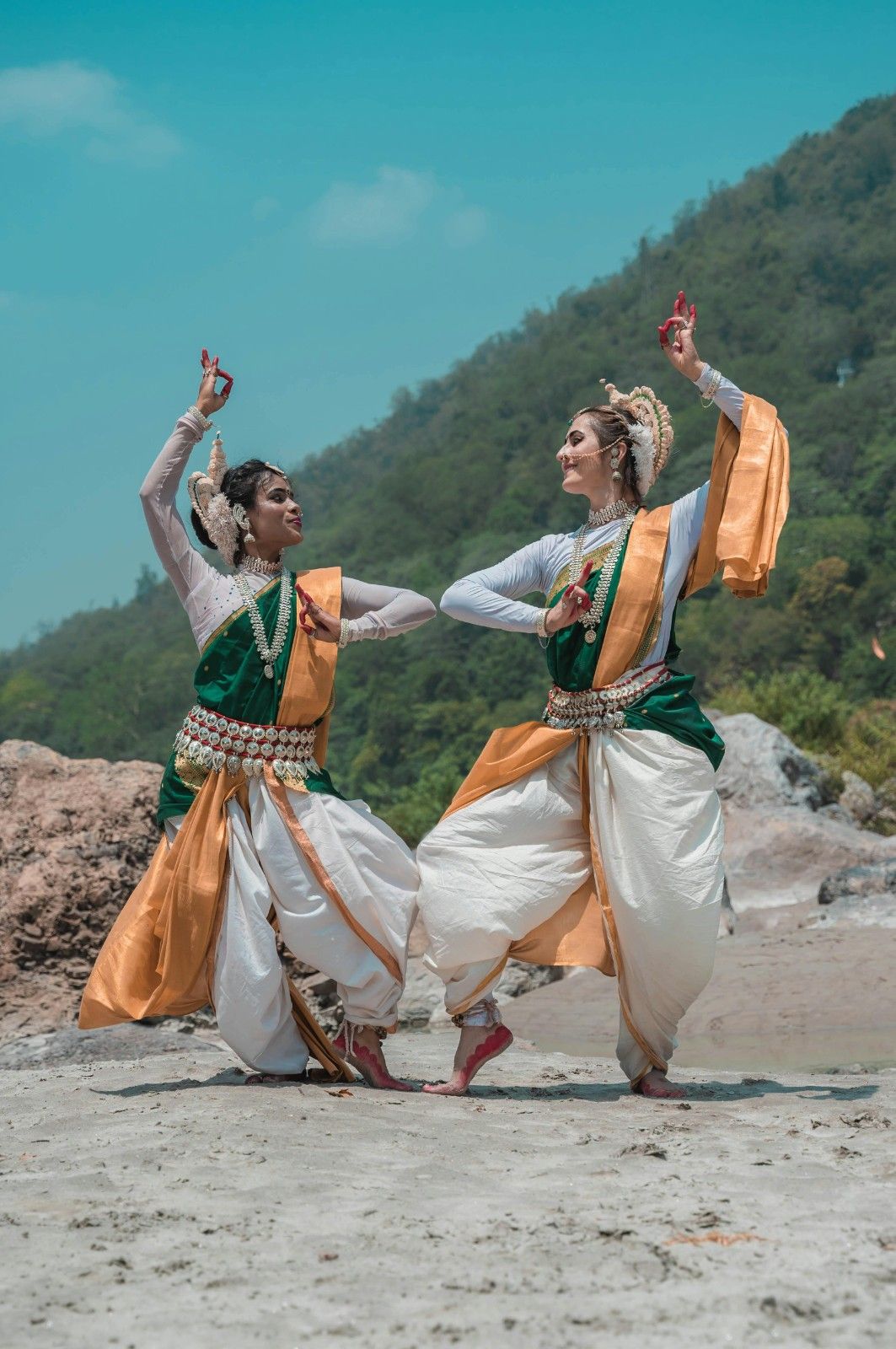
At Rock Your Rhythms, Folk Dance sessions are designed to introduce dancers to traditional movement patterns inspired by cultural dance forms and natural body storytelling. We focus on developing grounded posture, rhythmic footwork, and expressive hand coordination that reflect heritage-based movement styles. Each class includes structured warm-ups, cultural rhythm drills, and step variations that help students understand timing, flow, and musical accents unique to folk-inspired beats. Students are guided to explore expressive gestures, balanced formations, and storytelling through movement so they can connect emotionally with rhythm. Our training also emphasizes coordination, stamina building, and group synchronization to help dancers perform in ensemble formations. Over time, learners develop confidence in traditional expression, adaptability to folk music styles, and the ability to perform with authenticity, grace, and cultural awareness on stage.
Experience traditional dance values through movements inspired by heritage forms, helping dancers understand cultural expression through rhythm.
Develop clean and structured foot patterns that enhance timing, balance, and coordination while performing folk-inspired rhythmic steps.
Train your ears and body to respond to folk music patterns with accurate timing, rhythm recognition, and expressive musical movement flow.
Learn synchronized group formations and coordinated dance patterns that build teamwork, unity, and powerful stage presentation skills.
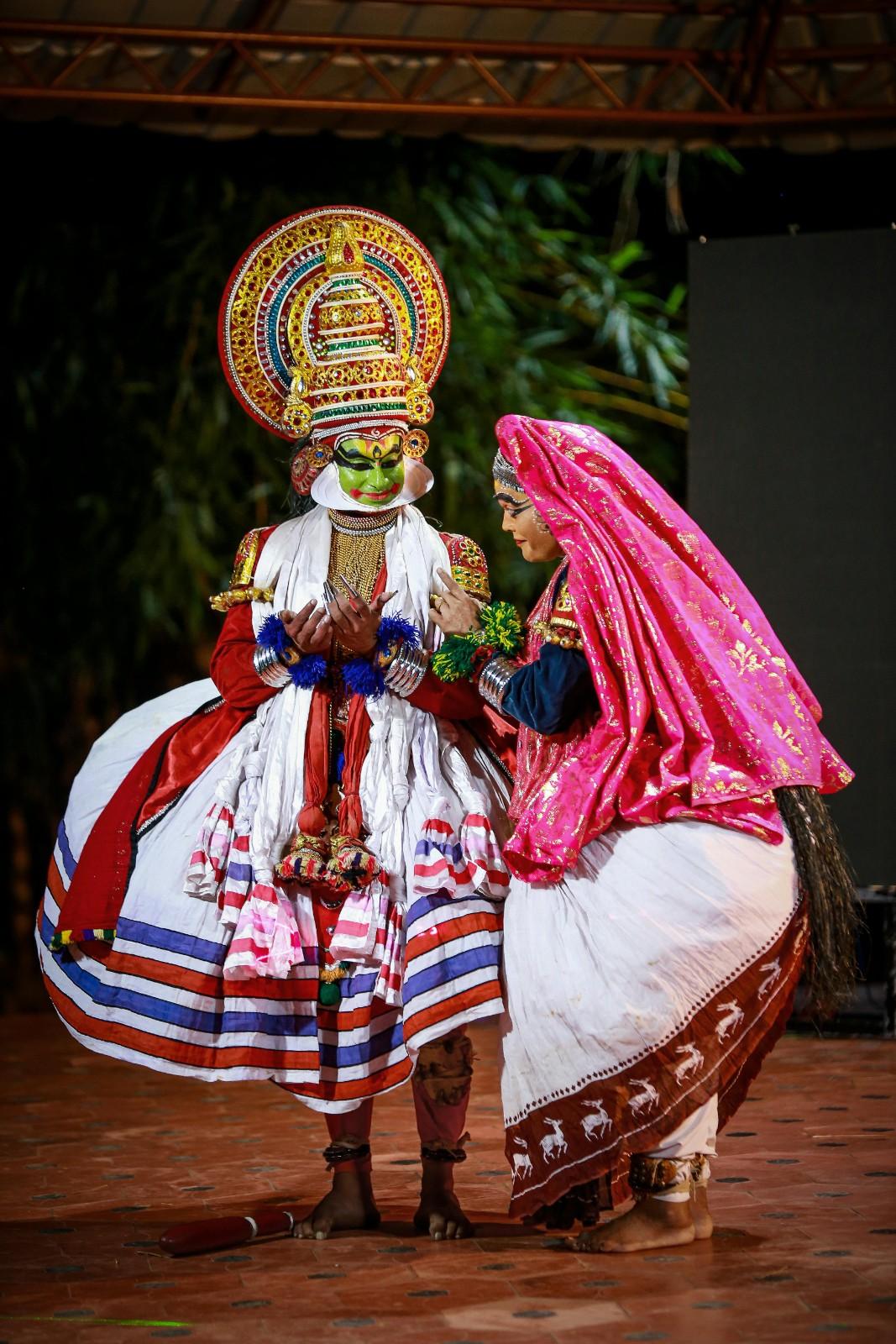
At Rock Your Rhythms, Folk Dance training is crafted to help dancers connect with traditional movement roots while improving coordination, balance, and expressive storytelling. We focus on teaching structured folk-inspired steps, rhythmic foot patterns, and gesture-based expressions that reflect cultural richness. Each session blends musical understanding with movement discipline so students can adapt to different folk beats and regional styles. Our training also includes group coordination drills, posture refinement, and timing practice that enhances synchronization and stage discipline. Dancers gradually develop better control over movement clarity, emotional expression, and rhythm interpretation. Over time, students gain confidence in performing traditional styles with authenticity, improved stamina, and strong stage presence that honors cultural dance forms.
Folk Dance is a cultural dance training program that introduces traditional movement patterns, regional steps, and rhythmic storytelling. It helps students connect with heritage-based dance forms while improving coordination, musical awareness, and expressive movement skills in a structured learning environment.
No prior experience is required. The class is designed for beginners and starts with basic posture training, simple traditional steps, and rhythm understanding exercises. Every student is guided step-by-step to learn comfortably at their own pace.
Students learn traditional footwork patterns, hand gestures, group coordination, and rhythm-based movements. The training also develops timing accuracy, body balance, cultural expression, and the ability to perform folk-inspired sequences with clarity and confidence.
It includes both structured practice and stage-oriented training. Students first learn foundational techniques and then apply them in choreography, group formations, and performance-based activities that reflect cultural dance presentation styles.
Yes, regular practice improves confidence by encouraging group participation, rhythmic coordination, and stage exposure. Students gradually overcome hesitation and develop comfort performing traditional movements in front of audiences.
Attending 2–3 sessions per week is ideal for consistent progress. Regular practice helps improve rhythm understanding, step accuracy, and performance quality while building strong familiarity with traditional dance patterns over time.
Find Your Groove And Flow
01
Traditional Step Foundation
Training starts with core folk dance postures, grounded footwork patterns, and traditional movement habits that connect dancers to cultural rhythm roots. Students learn balance control, simple step sequences, and posture discipline inspired by regional dance styles. This stage builds comfort with natural body positioning while strengthening coordination, endurance, and basic rhythmic response for folk-inspired movements.
02
Rhythmic Pattern Understanding
This stage introduces folk rhythm cycles, percussion patterns, and traditional beat structures. Dancers practice listening drills, timing exercises, and clap-step coordination to internalize rhythm variations. It strengthens musical awareness and helps students recognize cultural sound patterns while improving accuracy in beat-based movement execution.
03
Expressive Folk Choreography
Students learn structured folk choreography combining hand gestures, foot patterns, and group formations. This stage focuses on storytelling through movement, synchronization with group members, and maintaining cultural expression while dancing. It improves memory retention, coordination, and the ability to perform traditional routines with clarity and emotional depth.
04
Festival Performance Readiness
The final stage prepares dancers for stage presentations, cultural events, and public performances. Students work on expression clarity, costume awareness, formation discipline, and audience connection. This helps build confidence, teamwork spirit, and the ability to deliver engaging folk performances with energy, tradition, and authenticity.